
Wah kakis, this one really is next-level phantom feast! You think you’ve seen all the scams in Singapore, but this latest food order stunt takes the chilli crab for absolute cheekiness.
The $288 Oysters & Quantum Physics Feat
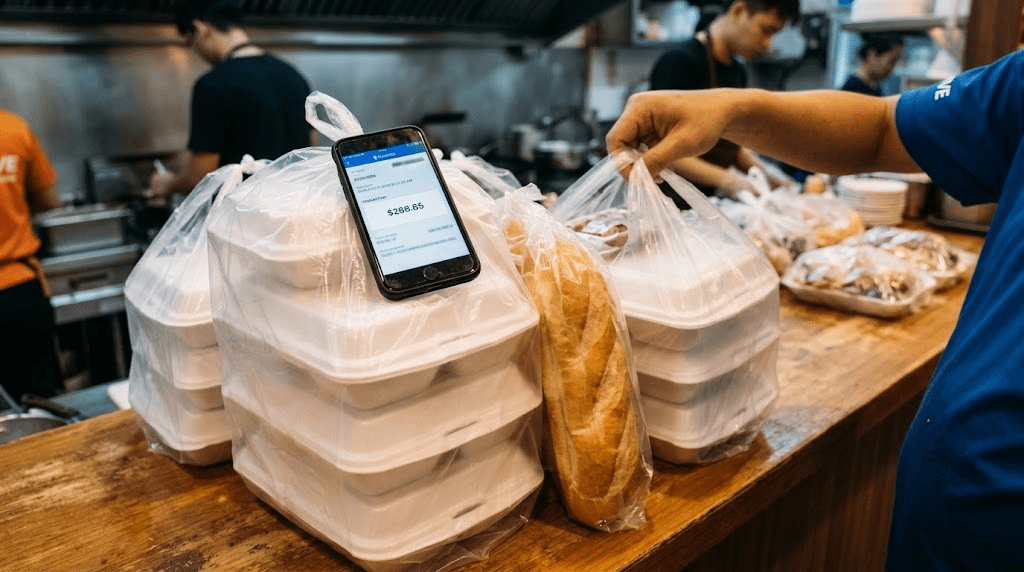
It all started when a supposed “big shot” placed a massive $288.85 order of fresh oysters, fried tofu, spring rolls, a Vietnamese pancake, grilled pork cutlet, and chicken wings from Geylang eatery An La Ghien. The customer casually WhatsApped a sleek DBS iBanking screenshot showing a completed transaction.
Restaurant staff—happy-happy seeing a big order—cooked up the entire feast, packed it neatly, and sent a Lalamove driver flying off to the delivery address. But when the driver reached the location, the resident living there was blur like sotong:
“Huh? I got order $288 worth of oysters meh?”
Sensing something fishy (and it wasn’t the food), the sharp driver brought the whole spread straight back to the shop.
When the boss finally opened her banking app to double-check, she saw the real horror: $0.00 credited.
When confronted over the phone, instead of apologizing, the scammer whipped out a script wilder than a Channel 8 drama:
Scammer: “My friend ate the food already! Now he got food poisoning, we are waiting for the ambulance!”
Boss (holding the hot food): “Eh bro, the whole meal is sitting right in front of me on the counter. Your friend eat imaginary oysters ah?!”
Without missing a beat, the scammer insisted his friend consumed the entire feast via some secret, mind-bending quantum physics eating method. When the boss threatened to call the police, he started making fun of her, threw in an inappropriate sexual remark, and slammed the phone down. Police confirmed a report was lodged and investigations are ongoing.
Not the First Time Singapore F&B Got “Ghosted”
Sadly, this isn’t just an isolated prank—it’s part of a growing trend targeting hardworking local F&B outlets with doctored PayNow and bank receipts:
- The $9,000 Seafood & Italian Feast: A 33-year-old woman was jailed after using edited PayNow screenshots to cheat multiple restaurants over two years. She transferred funds to herself, edited the recipient’s name to match places like House of Seafood, and landed almost $10,000 in free meals before bank statements caught up.
- The Clementi Condo Harassment: Scammers and loansharks have also been using food delivery apps for Cash-On-Delivery (COD) harassment, sending multiple riders with massive unpaid orders to innocent residents’ homes.
- The Counter Fraud: Outlets in Katong and East Coast have caught repeat offenders flashing pre-saved, edited PayNow screenshots on their phones right at the cashier counter to walk away with free takeaway.
How F&B Merchants Can Protect Themselves
If you run an F&B business, don’t let these “phantom eaters” bite you. Here’s how to lock down your order fulfillment process:
- Verify the App, Not the Image: Never trust a screenshot sent via WhatsApp or shown on a customer’s phone screen. Check your merchant portal or bank notifications directly.
- Set Up Instant Sound Alerts: Turn on real-time audio notifications on payment terminals or smartphones (e.g., PayNow QR sound boxes) so staff hear the payment confirmation live.
- Flag High-Value First-Time Orders: Mandate that all large orders (e.g., above $100) placed via message apps require confirmed bank settlement before kitchen prep begins.
Play Game, Get Jail: The Law Doesn’t Main-Main
Under Singapore law, these fake screenshot scammers aren’t just playing a stupid prank; they’re walking straight into serious criminal offences under the Penal Code:
- Cheating (Section 417): Generating a fake receipt to trick someone into giving you free items falls under simple cheating, carrying up to 3 years in prison, a fine, or both.
- Aggravated Cheating (Section 420): Dishonestly inducing a merchant to deliver physical goods (like $288 worth of oysters and wings delivered by courier) becomes aggravated cheating. This carries mandatory imprisonment of up to 10 years, plus a fine.
- Forgery for the Purpose of Cheating (Section 468): Photoshopping a bank app UI or editing a transfer slip counts as forging an electronic record for deceit. This adds another charge punishable by up to 10 years in jail and a fine.
Singapore courts don’t go easy on repeat offenders—serial fake-screenshot scammers have previously been handed nearly 2 years in prison (23 months).
The Moral of the Story
In Singapore, a screenshot is just a digital drawing until the cash actually hits your merchant app. Don’t trust WhatsApp receipts, wait for the actual bank app ping first—if not, cook half-day end up feeding ghost! And for the scammers out there? That $288 “free meal” might just buy you a multi-year stay in Changi Prison with a strictly non-oyster menu.

 Kopi Kaki SG
Leave a comment